

Learn
Padparadscha Sapphire: The Complete Guide to Color, Origin, Value and Treatment

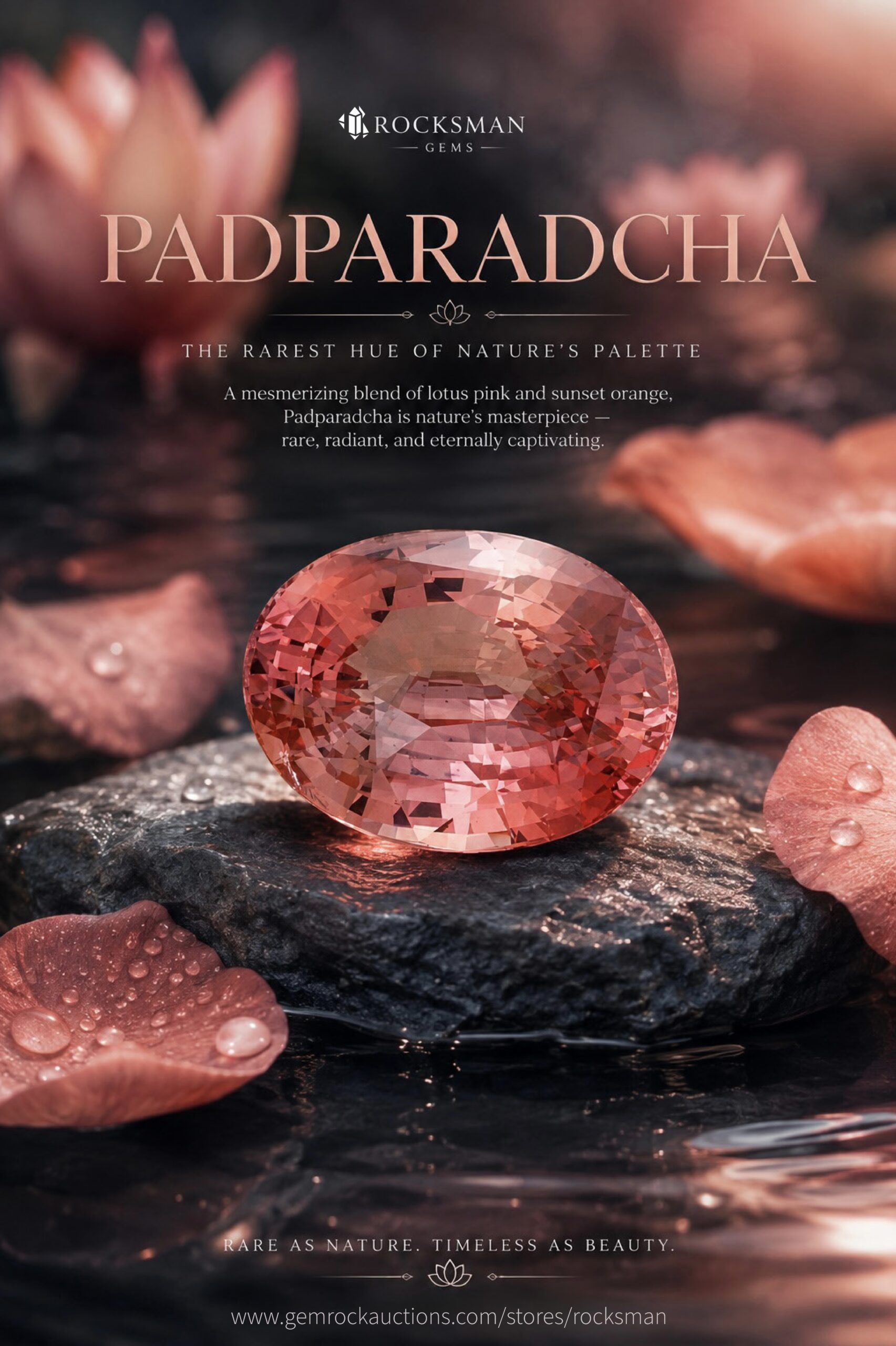
There are sapphires that are blue, sapphires that are pink, and then there are stones that seem to sit between two worlds Padparadscha sapphire is one of the most fascinating.
Its delicate mixture of pink, orange and sunset-like tones has made it one of the most sought-after varieties of fancy sapphire. The name itself is unusual, the color is difficult to define, and truly exceptional examples can be remarkably rare.
But what actually makes a sapphire a padparadscha? And why can two stones that look similar in photographs have very different values?
What Is a Padparadscha Sapphire?
Padparadscha is a variety of corundum, the same mineral species that includes ruby and all other sapphires.
The name is traditionally associated with a delicate pinkish-orange to orangy-pink color. The finest examples can show a beautiful balance between pink and orange, sometimes compared to the colors of a lotus blossom or a tropical sunset.
Unlike a simple pink sapphire or orange sapphire, padparadscha is a particularly important and closely watched color category in the sapphire market. That is why exact color, treatment history and laboratory documentation can matter enormously.
What Does “Padparadscha” Mean?
The word padparadscha is generally traced to the Sinhalese word padparāga, associated with the color of a lotus blossom.
The term has become one of the most recognizable names in colored gemstones, but it is not simply a marketing word for any orange-pink sapphire.
Color boundaries can be subtle, and laboratories have their own reporting practices. For an important stone, an independent laboratory report is therefore much more meaningful than a seller simply calling a sapphire “padparadscha.”
What Color Is a True Padparadscha?
A classic padparadscha sits in the pink-orange to orange-pink range. It should show a harmonious combination of both components rather than looking purely pink or purely orange.
The ideal appearance is often delicate rather than extremely dark or overly saturated.
Color should not be judged from one photograph. Lighting, camera settings, surrounding colors and the background can change how a sapphire appears on screen.
For a valuable stone, seeing it in multiple lighting conditions and consulting an independent laboratory is the safest approach.
Why Is Padparadscha So Rare?
The rarity comes from the combination of color and quality.
It is relatively easy to find a sapphire that looks somewhat pinkish-orange. It is much harder to find one with a naturally occurring, attractive balance of pink and orange, good transparency, fine cutting, desirable size and no problematic treatment.
As size and quality increase, the number of stones that meet all of those requirements becomes much smaller.
Sri Lankan Padparadscha
Sri Lanka has the strongest historical association with padparadscha sapphire.
The island has produced some of the world’s most admired pink-orange sapphires, and Sri Lankan padparadscha remains particularly important to collectors.
Fine Sri Lankan examples can show an elegant combination of pink, orange and peach tones, often with excellent transparency.
But “Sri Lankan” does not automatically mean “fine padparadscha.” Origin is only one part of the story. The actual color, clarity, cut, treatment and laboratory documentation still need to be considered.
Can Padparadscha Come From Other Countries?
Yes. Padparadscha-like color has been documented in sapphire from several locations, including Madagascar and other African sources.
This has created an interesting discussion among collectors: should padparadscha be defined primarily by color, or should geographic origin also play a role?
Modern laboratories may issue origin opinions where sufficient evidence exists, but origin and color should not be confused. A sapphire can come from Sri Lanka and still not meet a laboratory’s criteria for padparadscha, while material from another source may display a qualifying pink-orange appearance.
Natural Padparadscha vs. Heated Padparadscha
Treatment is one of the most important things to understand before buying a padparadscha sapphire.
Heat treatment is common in the sapphire industry and can improve or modify color and clarity. Some heated sapphires can be extremely beautiful and valuable.
However, a natural, untreated padparadscha with an attractive color can be considerably rarer and more collectible.
For this reason, phrases such as “no heat,” “unheated,” or “no evidence of heat treatment” can be very significant when properly supported by laboratory testing.
Why Does Treatment Matter So Much?
Imagine two sapphires that look almost identical in a photograph.
One formed naturally and reached its final color without treatment. The other required heating to achieve its appearance.
They may both be beautiful, but they do not have the same rarity.
This is why serious buyers should ask not only, “What color is it?” but also, “How did it get that color?”
Padparadscha and Beryllium Diffusion
Another reason laboratory testing matters is beryllium diffusion.
Diffusion treatment can introduce elements into corundum during heating and can create or modify attractive colors, including padparadscha-like appearances.
A treated sapphire is not necessarily a bad gemstone, but it must be described accurately. A buyer looking specifically for natural-color padparadscha needs to know whether the color is intrinsic to the stone or the result of treatment.
Professional laboratory testing is far more reliable than visual inspection alone for this question.
How Is Padparadscha Sapphire Valued?
There is no universal price per carat for padparadscha.
Several factors interact:
- Color: The balance between pink and orange is fundamental.
- Color saturation and tone: Attractive, lively color is generally preferred over dull or overly dark material.
- Transparency: Good transparency can add significantly to beauty.
- Clarity: Fewer distracting inclusions can increase desirability, although natural inclusions are expected in sapphire.
- Cut: A well-proportioned cut can improve color presentation and brilliance.
- Size: Fine large padparadscha becomes increasingly scarce.
- Treatment: Untreated material can command a substantial premium when the quality is exceptional.
- Origin: A credible laboratory origin opinion can be important to collectors.
- Certification: Independent documentation is especially valuable for high-value stones.
Padparadscha vs. Pink Sapphire
The boundary between padparadscha and pink sapphire can sometimes be visually subtle.
A pink sapphire is dominated by pink. A padparadscha should show a meaningful orange component as well.
There is no universal rule that can be applied perfectly from a photograph because color perception depends on lighting and viewing conditions. For an important gemstone, the laboratory’s identification and color description should be considered alongside the visual appearance.
Padparadscha vs. Orange Sapphire
An orange sapphire is dominated by orange, while padparadscha is associated with a pink-orange balance.
Some stones sit close to the boundary, which is one reason this category can generate so much discussion among gemologists and collectors.
What Makes a Padparadscha Beautiful?
There is no single “perfect” padparadscha color that every collector will prefer.
Some people love a soft peachy appearance. Others prefer a stronger pink-orange combination. Some stones show more orange in one lighting environment and more pink in another.
What matters is that the color is attractive, harmonious and lively.
A fine padparadscha should not feel muddy or brownish. It should have enough transparency and life that the color remains beautiful when the stone is viewed from different directions.
How to Buy a Padparadscha Sapphire
If you’re considering buying one, don’t start with the word “padparadscha” on the certificate or sales listing. Start with the actual gemstone.
Look at it in daylight and indoor lighting. If possible, view a video as well as photographs.
Then ask:
- Does the stone genuinely show both pink and orange?
- Is the color attractive in different lighting?
- Is the stone natural?
- Has heat treatment been detected?
- Could diffusion or another treatment be present?
- What is the stated geographic origin?
- Is that origin supported by an independent laboratory?
- Is the cut helping the stone display its color?
- Does the price make sense for the quality and documentation?
Why a Laboratory Report Matters
For a significant padparadscha sapphire, laboratory documentation can be extremely important.
A professional report can help establish whether the stone is natural, document detectable treatment, and in some cases provide an origin opinion.
This matters because the word “padparadscha” carries substantial commercial and collector significance. A laboratory report gives the buyer a much stronger basis for understanding what they are actually purchasing.
Is Padparadscha Good for an Engagement Ring?
Yes.
Sapphire has a Mohs hardness of 9, making it one of the most durable colored gemstones used in jewelry.
A padparadscha engagement ring can also be wonderfully distinctive. The peach-pink color works beautifully with both warm and cool metals, and the stone offers something very different from a traditional blue sapphire.
As with any sapphire, the individual stone should be inspected for fractures and the setting should provide appropriate protection for everyday wear.
Why Collectors Love Padparadscha
Padparadscha occupies a fascinating position in the sapphire world.
It isn’t simply another fancy color.
The combination of pink and orange is difficult to reproduce naturally, difficult to define precisely and highly sensitive to lighting. When an exceptional untreated stone comes together with excellent transparency, beautiful cutting and a credible origin, it can become a serious collector’s gemstone.
Perhaps that is what makes padparadscha so appealing.
You don’t just buy the color. You buy the rarity behind the color.
Frequently Asked Questions About Padparadscha Sapphire
What color is a padparadscha sapphire?
Padparadscha is generally associated with a delicate pink-orange to orange-pink color, with a harmonious balance between the two hues.
Is padparadscha always from Sri Lanka?
No. Sri Lanka has a famous historical association with padparadscha, but qualifying or padparadscha-like material can occur in other locations as well. A laboratory origin opinion may be available for significant stones.
Is padparadscha sapphire rare?
Fine padparadscha is rare because it requires a desirable natural pink-orange color combined with good transparency, attractive cutting and other quality factors. Fine untreated examples are particularly sought after.
Can padparadscha be heated?
Yes. Heated padparadscha and padparadscha-like sapphires exist. Treatment should be disclosed and, for important stones, independently verified.
What is beryllium-diffused padparadscha?
Beryllium diffusion is a treatment that can modify the color of corundum and can create padparadscha-like appearances. Laboratory testing is important when determining whether a stone has undergone this treatment.
Is untreated padparadscha more valuable?
It can be. When an untreated sapphire has genuinely attractive padparadscha color and excellent overall quality, its rarity can make it particularly desirable. Untreated status alone, however, does not guarantee high value.
Is padparadscha a ruby?
No. Padparadscha is a variety of sapphire, while ruby is the red variety of corundum. They are both varieties of the same mineral species.
Can padparadscha be used in an engagement ring?
Yes. Sapphire has a Mohs hardness of 9 and is suitable for jewelry. A padparadscha should still be checked for fractures and protected appropriately in an everyday ring.
Looking for a true natural padparadscha sapphire?
At RocksMan, we source natural, high-quality sapphires from trusted suppliers and gemstone-producing regions.
- Request a custom padparadscha based on your budget, size, color, origin and treatment preference
- Or explore our available sapphire collection on our website
- Or visit our Sapphire selection on Gem Rock Auctions
Looking for something specific? Tell us the size, color balance, origin, treatment preference and budget you have in mind, and we can help source the right stone.
Further Reading
For additional gemological information, consult independent resources such as the Gemological Institute of America.


