

Learn
Pink Sapphire: The Complete Guide to Color, Origin, Value and Treatment

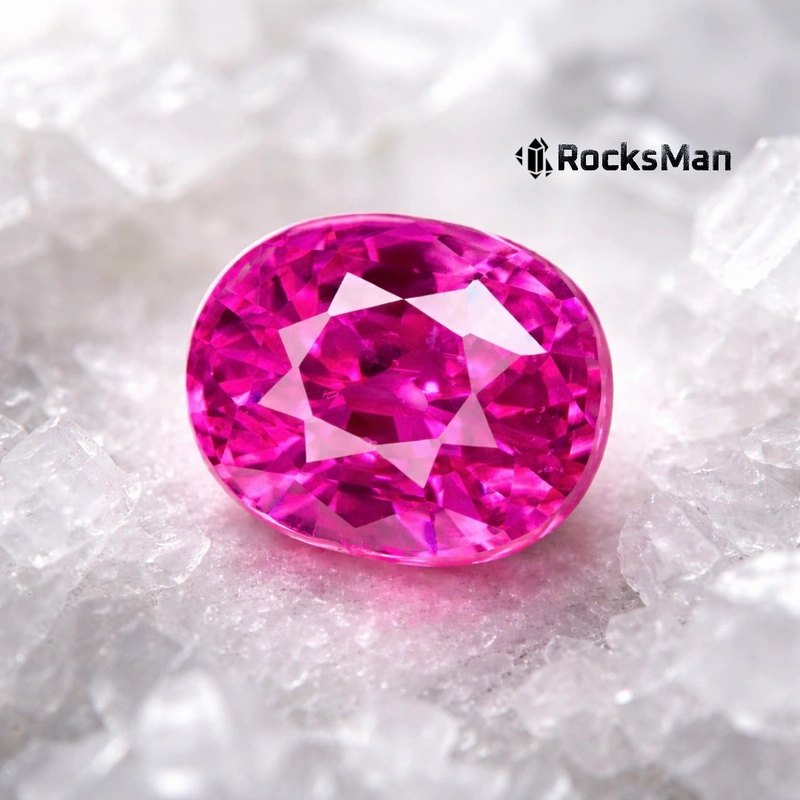
There is something unusually soft about a fine pink sapphire.
A ruby can command attention with its intense red. A blue sapphire can feel deep and dramatic. Pink sapphire sits somewhere different — elegant, luminous and often surprisingly vivid. In the finest examples, the color can move from delicate blush to an intense hot pink that looks almost electric under the right light.
But what exactly makes a pink sapphire valuable? Where do the best ones come from? And how can you tell a natural pink sapphire from a treated stone?
Let’s take a closer look.
What Is a Pink Sapphire?
Pink sapphire is a natural variety of corundum, the same mineral species that produces ruby.
The difference between ruby and pink sapphire is primarily related to color. Ruby occupies the red range of corundum, while pink sapphires fall into lighter pink to purplish-pink ranges that do not meet the criteria for ruby.
Pink sapphires can be extremely delicate in color or intensely saturated. This is part of what makes the category so interesting: there isn’t one single “pink sapphire color.”
What Gives Pink Sapphire Its Color?
The color of sapphire is influenced by trace elements and the way those elements interact with the crystal structure.
Pink sapphire can contain chromium, iron and other trace elements, with the exact chemistry varying between stones and deposits. This is one reason pink sapphires from different origins can look noticeably different from one another.
How Valuable Is Pink Sapphire?
There isn’t a fixed price for pink sapphire.
Like other fine colored gemstones, its value depends on a combination of factors rather than carat weight alone.
- Color: Usually the first thing you notice and one of the biggest factors in value.
- Clarity and transparency: Good transparency and lively brilliance are highly desirable.
- Size: Fine, strongly colored material becomes increasingly scarce as size increases.
- Cut: A good cut can make a dramatic difference in brilliance and color presentation.
- Treatment: Whether a sapphire has been heated or otherwise treated can affect rarity and value.
- Origin: For exceptional stones, geographic origin can add interest and sometimes a premium.
- Laboratory documentation: An independent report can provide valuable information about natural origin, treatment and, where possible, geographic origin.
The important point is that a 10-carat pink sapphire isn’t automatically more valuable than a 3-carat pink sapphire. A smaller stone with exceptional color, transparency and no evidence of treatment can be considerably more desirable than a much larger commercial-quality stone.
Natural Pink Sapphire vs. Treated Pink Sapphire
This is where things become particularly interesting.
Heat treatment is common in the sapphire market, and pink sapphire is no exception. Heating can modify the color of corundum. GIA has specifically studied low-temperature heat treatment in pink sapphires from Madagascar and Sri Lanka. In its research, heating could reduce a subtle blue component and produce a purer pink appearance.
That doesn’t mean a heated pink sapphire is “fake.” If the original material is natural, it remains a natural sapphire that has been treated. What changes is its rarity and, potentially, its market value.
For an important pink sapphire, treatment disclosure is therefore essential.
Why Untreated Pink Sapphire Is Special
When a laboratory reports no evidence of heat treatment, the stone can be considerably more interesting to collectors because the color and appearance have survived the geological journey without requiring enhancement.
Untreated does not automatically mean beautiful, however. A pale, heavily included untreated sapphire isn’t necessarily more desirable than a vivid, attractive heated sapphire. The stone still has to be judged as a whole.
Where Do Pink Sapphires Come From?
Sri Lanka
Sri Lanka has a long history of producing fine sapphires in a remarkable range of colors. Pink sapphire from Sri Lanka can display attractive pink, purplish-pink and related hues. The country is also important for exceptional fancy-color sapphires more broadly.
Madagascar
Madagascar has become an extremely important source of sapphire, including pink material. GIA’s research into pink sapphires from Ilakaka, Madagascar, has documented both the gemological characteristics of the material and the effects of low-temperature heat treatment.
Other Sources
Pink sapphire can also occur in other corundum-producing regions. Origin should never be guessed simply from appearance. When origin is commercially important, a qualified laboratory may be able to provide an origin opinion based on gemological and analytical evidence.
Pink Sapphire vs. Ruby: What’s the Difference?
This is one of the questions we hear most often.
The simple answer is: Ruby and pink sapphire are both corundum.
The distinction is primarily based on color. As the color moves deeper into red, the stone enters ruby territory. Lighter pink material is generally classified as pink sapphire.
The boundary isn’t always something you can determine confidently just by looking at a photograph. For an important gemstone, laboratory identification is the safest way to establish the reported species and color description.
Is Pink Sapphire Good for an Engagement Ring?
Absolutely.
Sapphire is one of the most durable gemstones used in jewelry, with a Mohs hardness of 9. That makes it an excellent choice for rings that are worn regularly.
A pink sapphire also offers something different from the traditional diamond or blue sapphire engagement ring. It can look romantic without being overly conventional.
For everyday jewelry, the stone should still be inspected for significant fractures or other durability concerns, and the setting should provide appropriate protection.
How to Buy a Pink Sapphire
If you’re considering buying a significant pink sapphire, don’t start with the carat weight. Start with the stone itself.
Look at it in different lighting conditions and ask:
- Is the pink vivid or washed out?
- Is the tone too dark?
- Is the color evenly distributed?
- Does the stone have good transparency?
- Is the cut helping the stone return light?
- Are there visible inclusions affecting beauty or durability?
- Has the stone been treated?
- Is the stone accompanied by an independent laboratory report?
Why a Laboratory Report Matters
A laboratory report can provide information that isn’t possible to establish reliably from photographs or a seller’s description alone.
Depending on the laboratory and service, testing may address whether the sapphire is natural, whether treatment has been detected, and in some cases whether its geographic origin can be determined.
This is particularly important for fine pink sapphire because treatment can significantly affect rarity and value.
One More Reason to Be Careful: Padparadscha
Pink sapphire is also relevant to one of the most fascinating categories in the sapphire world — padparadscha.
Some pink sapphires can show pinkish-orange or orangy-pink colors, but the distinction is not simply a matter of finding a stone that looks orange in a photograph.
GIA has documented sapphires whose color can change under different lighting or after exposure to light, making proper color stability testing important when evaluating certain padparadscha-like stones.
There have also been cases of pink sapphire receiving beryllium diffusion treatment to create padparadscha-like colors, which is another reason laboratory testing matters for significant stones.
Final Thoughts
Pink sapphire is sometimes overlooked because the gemstone world has traditionally focused so heavily on blue sapphire and ruby.
That is a mistake.
A truly fine pink sapphire can combine exceptional color, transparency, rarity and durability in a way that makes it one of the most beautiful fancy-color gemstones available.
And perhaps the most appealing thing about pink sapphire is its range. One stone may be soft and almost pastel. Another may be an intense, saturated pink that commands the same attention as the finest rubies.
The important thing is to look beyond the name.
Color, transparency, cut, treatment, size, origin and documentation all come together to tell the real story of a pink sapphire.
At RocksMan, we believe that story is worth understanding before the stone changes hands.
Frequently Asked Questions
Is pink sapphire a real sapphire?
Yes. Pink sapphire is natural corundum in the pink color range. Ruby and sapphire are varieties of the same mineral species, corundum.
Is pink sapphire rarer than blue sapphire?
Rarity depends on the quality, color, size, origin and treatment of the individual stone. Exceptional pink sapphires can be very rare, but it is not accurate to say that every pink sapphire is rarer than every blue sapphire.
Is pink sapphire more expensive than ruby?
Not necessarily. Fine ruby can command extremely high prices, particularly for exceptional untreated material. A fine pink sapphire can also be valuable, but price depends on the individual gemstone.
Can pink sapphire be heated?
Yes. Heat treatment is encountered in pink sapphire, including low-temperature treatment documented in gemological research.
Is untreated pink sapphire valuable?
It can be. An attractive pink sapphire with no evidence of heat treatment can be particularly desirable because untreated fine material is less common. However, untreated status alone does not determine value.
Where does pink sapphire come from?
Important pink sapphire has been found in several regions, including Sri Lanka and Madagascar. Origin should be confirmed through appropriate gemological testing when it is important to the value of the stone.
Can pink sapphire be used in an engagement ring?
Yes. Sapphire has a Mohs hardness of 9 and is widely used in jewelry. A well-cut pink sapphire can make a beautiful and durable engagement-ring center stone, provided the stone and setting are appropriate for everyday wear.
Further Reading
For additional gemological information, consult independent laboratory resources such as GIA’s educational articles on gemstone treatments, sapphire quality and corundum.
GIA: An Introduction to Gem Treatments
GIA: Sapphire Information and Buyer Resources
Looking for a Top Quality Pink Sapphire?
At RocksMan, we source natural, high-quality rubies directly from trusted suppliers.
• Request a custom Pink Sapphire based on your budget, size, and origin
• Or explore our available Pink Sapphire collection on our website Or


