

Blog
How to Buy a Natural Ruby (Complete Guide 2026) | Ruby Buying Guide

How to Buy a Natural Ruby (Complete Guide)
Introduction
Buying a natural ruby can be one of the most rewarding gemstone investments — but also one of the most confusing.
From synthetic stones to heavily treated rubies, the market is filled with options that can easily mislead buyers.
In this complete guide, you will learn exactly how to buy a natural ruby, what to look for, and how to avoid costly mistakes.
If you are serious about buying a ruby, this guide will save you time, money, and risk.
What is a Natural Ruby?
A natural ruby is formed in the earth over millions of years and mined from deposits.
There are three main categories you will encounter:
- Natural untreated ruby (rare and highly valuable)
- Natural heat-treated ruby (common and acceptable)
- Synthetic ruby (lab-created, lower value)
When buying, always confirm:
- Is the ruby natural?
- Has it been treated?
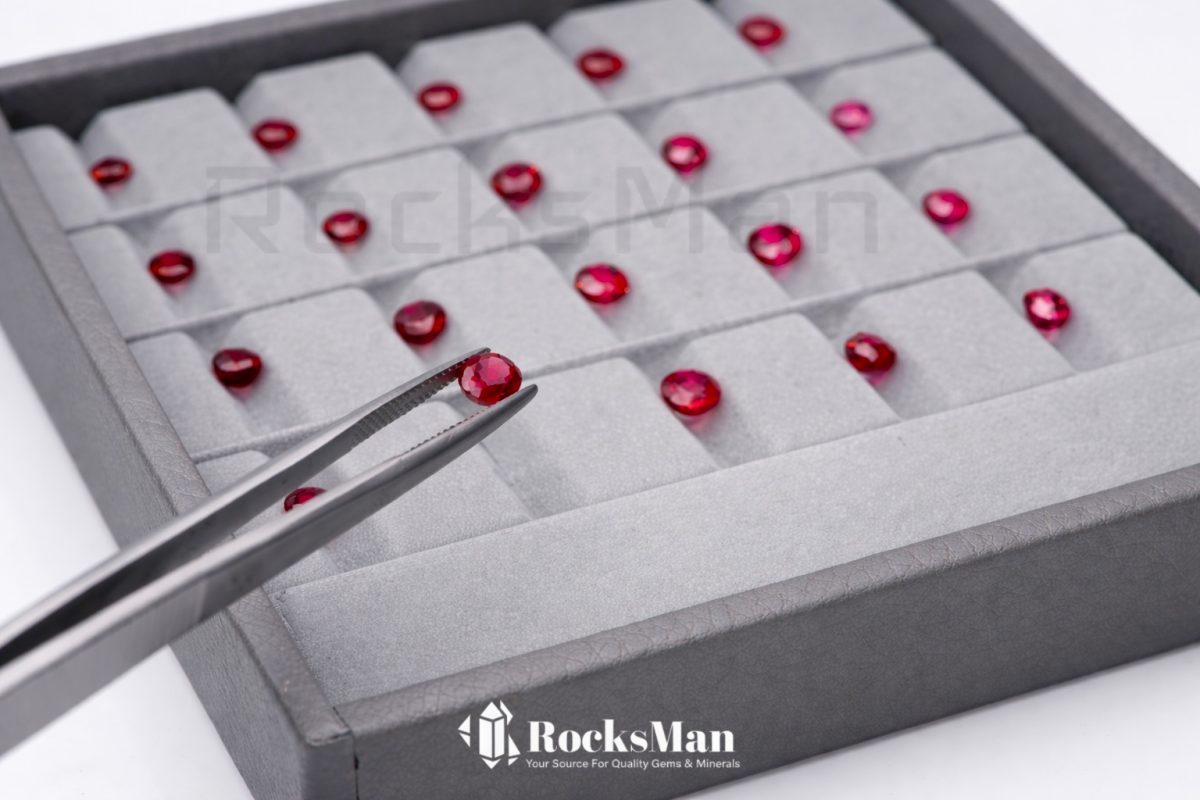
Ruby Color: The Most Important Factor
Color is the single most important factor in determining a ruby’s value.
The finest rubies display:
- Deep, vivid red color
- Strong saturation
- Slight bluish undertone
These are often referred to as “pigeon blood rubies,” a term used to describe top-quality stones.
However, this term is often misused in the market, so do not rely on the label alone.
Clarity: Understanding Inclusions
Unlike diamonds, most natural rubies contain inclusions.
This is normal and even expected.
Look for:
- Eye-clean or slightly included stones
- Avoid overly cloudy or opaque rubies
Natural inclusions can actually help confirm authenticity.
Cut and Shape
A well-cut ruby enhances brilliance, color, and overall appearance.
Common shapes include:
- Oval
- Cushion
- Round
Poor cutting can make even a high-quality ruby appear dull.
Origin: Does It Matter?
Ruby origin can influence value, but it should not be your only focus.
Key sources include:
- Burma (Myanmar): historically premium quality
- Mozambique: excellent color and value
- Sri Lanka: lighter tones
Ultimately, color and quality matter more than origin alone.
At RocksMan, we source rubies from multiple origins including Mozambique and Burma, selecting stones based on quality rather than just origin labels.
Certification: Non-Negotiables
Always buy a ruby with a recognized gemological certificate.
Trusted laboratories include:
Certification verifies:
- Natural origin
- Treatment status
- Authenticity
Never rely solely on a seller’s claim.
Ruby Treatments Explained
Most rubies on the market are heat-treated, which is widely accepted.
Types of treatments:
- Heat treatment: standard and stable
- Unheated: rare and premium
- Glass-filled: low durability and value (avoid)
Always ask for full disclosure before buying.
Ruby Price Guide
Ruby prices vary depending on multiple factors:
- Color
- Clarity
- Origin
- Treatment
- Carat weight
Typical price ranges:
- Commercial quality: 100 to 500 USD per carat
- Fine quality: 1,000 to 10,000 USD per carat
- Top pigeon blood rubies: 20,000 USD per carat and above
If you have a specific budget, you can request a ruby tailored to your price range, ensuring maximum quality within your investment.
Common Mistakes to Avoid
- Buying without certification
- Choosing size over quality
- Falling for extremely low prices
- Ignoring treatment details
Final Step: Where to Buy a Natural Ruby
There are two smart ways to buy a ruby:
1. Ready-to-Ship Rubies
Browse available certified rubies and choose based on your preference.
Browse certified Rubies Available on our Gem Rock Auctions Store.
2. Custom-Sourced Ruby (Recommended)
If you want something specific — such as:
- Pigeon blood color
- Unheated ruby
- Specific origin
- Exact budget range
You can request a custom ruby sourced directly for you.
Request Your Custom Ruby
Tell us your requirements, and we will source a natural ruby tailored to your needs.
Include:
- Budget
- Size (carat)
- Color preference
- Origin (optional)
- Certification requirement
You will receive carefully selected options based on your criteria.


